Ideje Laravel Atomic Update
Ideje Laravel Atomic Update. 20.07.2015 · both of the methods shown are not atomic and therefore inadvisable. I have a booking process for tours that looks like this:booking_process: Try { // trying to acquiring lock. The atomic way to do this in sql would be to do `update x set y = y + 1 where z`.

Nejlepší Deploy Laravel To Digitalocean Deploybot Deployment Guide
} catch (locktimeoutexception $e) { // unable to acquire lock, can't cache the token return; Any installer older than 4.0 will cease to work after october 2020. Try { // trying to acquiring lock. You must use the dao instead of eloquent to perform this operation like so:Atomic deployment package for laravel framework.
I have a booking process for tours that looks like this:booking_process: } // lock acquired, caching the token cache::put ($key, $token, 1); If_date_time_exists_in_bookings_table and there are still spaces available make_payment update_table. The atomic way to do this in sql would be to do `update x set y = y + 1 where z`. Any installer older than 4.0 will cease to work after october 2020.

If_date_time_exists_in_bookings_table and there are still spaces available make_payment update_table. You can also update a model (s) without querying it beforehand: To test this we've used 2 devices. You may create and manage locks using the cache::lock method:

The atomic way to do this in sql would be to do `update x set y = y + 1 where z`.. } // lock acquired, caching the token cache::put ($key, $token, 1); // if lock is already acquired, waiting 5 seconds to try again. You can also update a model (s) without querying it beforehand: For example, laravel forge uses atomic locks to ensure that only one remote task is being executed on a server at a time. To test this we've used 2 devices. 20.07.2015 · both of the methods shown are not atomic and therefore inadvisable. I have a booking process for tours that looks like this:booking_process:

} catch (locktimeoutexception $e) { // unable to acquire lock, can't cache the token return; I have a booking process for tours that looks like this:booking_process: You can also update a model (s) without querying it beforehand: For example, laravel forge uses atomic locks to ensure that only one remote task is being executed on a server at a time. Any installer older than 4.0 will cease to work after october 2020. Atomic deployment package for laravel framework. } // lock acquired, caching the token cache::put ($key, $token, 1); You should upgrade your global installer to ^4.0 as soon as possible. You must use the dao instead of eloquent to perform this operation like so: The atomic way to do this in sql would be to do `update x set y = y + 1 where z`.

20.07.2015 · both of the methods shown are not atomic and therefore inadvisable. If_date_time_exists_in_bookings_table and there are still spaces available make_payment update_table. Any installer older than 4.0 will cease to work after october 2020. You may create and manage locks using the cache::lock method: } // lock acquired, caching the token cache::put ($key, $token, 1); I have a booking process for tours that looks like this:booking_process:. // if lock is already acquired, waiting 5 seconds to try again.

Atomic deployment package for laravel framework.. You may create and manage locks using the cache::lock method: You should upgrade your global installer to ^4.0 as soon as possible. For example, laravel forge uses atomic locks to ensure that only one remote task is being executed on a server at a time. If_date_time_exists_in_bookings_table and there are still spaces available make_payment update_table. 20.07.2015 · both of the methods shown are not atomic and therefore inadvisable. If you don't want to trigger a change to the updated_at timestamp on the model then you can pass the touch option: } catch (locktimeoutexception $e) { // unable to acquire lock, can't cache the token return; Any installer older than 4.0 will cease to work after october 2020. I have a booking process for tours that looks like this:booking_process: You can also update a model (s) without querying it beforehand:

You can also update a model (s) without querying it beforehand: // if lock is already acquired, waiting 5 seconds to try again. Atomic deployment package for laravel framework. For example, laravel forge uses atomic locks to ensure that only one remote task is being executed on a server at a time. } catch (locktimeoutexception $e) { // unable to acquire lock, can't cache the token return; You should upgrade your global installer to ^4.0 as soon as possible. Any installer older than 4.0 will cease to work after october 2020. } // lock acquired, caching the token cache::put ($key, $token, 1);.. You may create and manage locks using the cache::lock method:

If_date_time_exists_in_bookings_table and there are still spaces available make_payment update_table.. I have a booking process for tours that looks like this:booking_process: You can also update a model (s) without querying it beforehand: You must use the dao instead of eloquent to perform this operation like so:. You must use the dao instead of eloquent to perform this operation like so:

You must use the dao instead of eloquent to perform this operation like so:.. If you don't want to trigger a change to the updated_at timestamp on the model then you can pass the touch option: You may create and manage locks using the cache::lock method: For example, laravel forge uses atomic locks to ensure that only one remote task is being executed on a server at a time. To test this we've used 2 devices. } catch (locktimeoutexception $e) { // unable to acquire lock, can't cache the token return; // if lock is already acquired, waiting 5 seconds to try again. Try { // trying to acquiring lock... 20.07.2015 · both of the methods shown are not atomic and therefore inadvisable.

You may create and manage locks using the cache::lock method:.. . Atomic deployment package for laravel framework.

You may create and manage locks using the cache::lock method: For example, laravel forge uses atomic locks to ensure that only one remote task is being executed on a server at a time. You should upgrade your global installer to ^4.0 as soon as possible.. You can also update a model (s) without querying it beforehand:

Any installer older than 4.0 will cease to work after october 2020. For example, laravel forge uses atomic locks to ensure that only one remote task is being executed on a server at a time. You must use the dao instead of eloquent to perform this operation like so: } catch (locktimeoutexception $e) { // unable to acquire lock, can't cache the token return; If you don't want to trigger a change to the updated_at timestamp on the model then you can pass the touch option: I have a booking process for tours that looks like this:booking_process: If_date_time_exists_in_bookings_table and there are still spaces available make_payment update_table. You may create and manage locks using the cache::lock method: 20.07.2015 · both of the methods shown are not atomic and therefore inadvisable. You should upgrade your global installer to ^4.0 as soon as possible. Try { // trying to acquiring lock.. 20.07.2015 · both of the methods shown are not atomic and therefore inadvisable.

If_date_time_exists_in_bookings_table and there are still spaces available make_payment update_table. I have a booking process for tours that looks like this:booking_process: // if lock is already acquired, waiting 5 seconds to try again. 20.07.2015 · both of the methods shown are not atomic and therefore inadvisable. You may create and manage locks using the cache::lock method: Any installer older than 4.0 will cease to work after october 2020. If_date_time_exists_in_bookings_table and there are still spaces available make_payment update_table. } catch (locktimeoutexception $e) { // unable to acquire lock, can't cache the token return; You can also update a model (s) without querying it beforehand: Try { // trying to acquiring lock. // if lock is already acquired, waiting 5 seconds to try again.

You must use the dao instead of eloquent to perform this operation like so:.. // if lock is already acquired, waiting 5 seconds to try again. Atomic deployment package for laravel framework. You should upgrade your global installer to ^4.0 as soon as possible. } // lock acquired, caching the token cache::put ($key, $token, 1); You can also update a model (s) without querying it beforehand: I have a booking process for tours that looks like this:booking_process: Any installer older than 4.0 will cease to work after october 2020. If you don't want to trigger a change to the updated_at timestamp on the model then you can pass the touch option: You may create and manage locks using the cache::lock method: } catch (locktimeoutexception $e) { // unable to acquire lock, can't cache the token return;.. The atomic way to do this in sql would be to do `update x set y = y + 1 where z`.

You can also update a model (s) without querying it beforehand: You must use the dao instead of eloquent to perform this operation like so: For example, laravel forge uses atomic locks to ensure that only one remote task is being executed on a server at a time. } catch (locktimeoutexception $e) { // unable to acquire lock, can't cache the token return; For example, laravel forge uses atomic locks to ensure that only one remote task is being executed on a server at a time.
The atomic way to do this in sql would be to do `update x set y = y + 1 where z`... I have a booking process for tours that looks like this:booking_process: 20.07.2015 · both of the methods shown are not atomic and therefore inadvisable. } catch (locktimeoutexception $e) { // unable to acquire lock, can't cache the token return; If_date_time_exists_in_bookings_table and there are still spaces available make_payment update_table. You must use the dao instead of eloquent to perform this operation like so: I have a booking process for tours that looks like this:booking_process:

I have a booking process for tours that looks like this:booking_process:. If you don't want to trigger a change to the updated_at timestamp on the model then you can pass the touch option: // if lock is already acquired, waiting 5 seconds to try again. } catch (locktimeoutexception $e) { // unable to acquire lock, can't cache the token return; You may create and manage locks using the cache::lock method: The atomic way to do this in sql would be to do `update x set y = y + 1 where z`. 20.07.2015 · both of the methods shown are not atomic and therefore inadvisable. Try { // trying to acquiring lock. Any installer older than 4.0 will cease to work after october 2020. To test this we've used 2 devices.. Try { // trying to acquiring lock.

20.07.2015 · both of the methods shown are not atomic and therefore inadvisable.. // if lock is already acquired, waiting 5 seconds to try again. } catch (locktimeoutexception $e) { // unable to acquire lock, can't cache the token return; The atomic way to do this in sql would be to do `update x set y = y + 1 where z`. If_date_time_exists_in_bookings_table and there are still spaces available make_payment update_table. If you don't want to trigger a change to the updated_at timestamp on the model then you can pass the touch option: You may create and manage locks using the cache::lock method: Try { // trying to acquiring lock. } // lock acquired, caching the token cache::put ($key, $token, 1); You should upgrade your global installer to ^4.0 as soon as possible.

You can also update a model (s) without querying it beforehand:.. . Try { // trying to acquiring lock.

You can also update a model (s) without querying it beforehand:. You can also update a model (s) without querying it beforehand: // if lock is already acquired, waiting 5 seconds to try again. For example, laravel forge uses atomic locks to ensure that only one remote task is being executed on a server at a time. Any installer older than 4.0 will cease to work after october 2020. If you don't want to trigger a change to the updated_at timestamp on the model then you can pass the touch option:

} // lock acquired, caching the token cache::put ($key, $token, 1);. . The atomic way to do this in sql would be to do `update x set y = y + 1 where z`.

} catch (locktimeoutexception $e) { // unable to acquire lock, can't cache the token return;. To test this we've used 2 devices. } // lock acquired, caching the token cache::put ($key, $token, 1); You must use the dao instead of eloquent to perform this operation like so: Atomic deployment package for laravel framework. // if lock is already acquired, waiting 5 seconds to try again. For example, laravel forge uses atomic locks to ensure that only one remote task is being executed on a server at a time. Try { // trying to acquiring lock. You can also update a model (s) without querying it beforehand: I have a booking process for tours that looks like this:booking_process:. Atomic deployment package for laravel framework.
You must use the dao instead of eloquent to perform this operation like so:. If_date_time_exists_in_bookings_table and there are still spaces available make_payment update_table. } catch (locktimeoutexception $e) { // unable to acquire lock, can't cache the token return;

You may create and manage locks using the cache::lock method: } // lock acquired, caching the token cache::put ($key, $token, 1); I have a booking process for tours that looks like this:booking_process: // if lock is already acquired, waiting 5 seconds to try again.
You can also update a model (s) without querying it beforehand: You must use the dao instead of eloquent to perform this operation like so: // if lock is already acquired, waiting 5 seconds to try again. You can also update a model (s) without querying it beforehand: Try { // trying to acquiring lock. If_date_time_exists_in_bookings_table and there are still spaces available make_payment update_table. The atomic way to do this in sql would be to do `update x set y = y + 1 where z`. For example, laravel forge uses atomic locks to ensure that only one remote task is being executed on a server at a time.

You should upgrade your global installer to ^4.0 as soon as possible.. 20.07.2015 · both of the methods shown are not atomic and therefore inadvisable. You must use the dao instead of eloquent to perform this operation like so:.. } // lock acquired, caching the token cache::put ($key, $token, 1);

To test this we've used 2 devices.. Atomic deployment package for laravel framework. You must use the dao instead of eloquent to perform this operation like so: To test this we've used 2 devices. The atomic way to do this in sql would be to do `update x set y = y + 1 where z`. 20.07.2015 · both of the methods shown are not atomic and therefore inadvisable. For example, laravel forge uses atomic locks to ensure that only one remote task is being executed on a server at a time. // if lock is already acquired, waiting 5 seconds to try again.

// if lock is already acquired, waiting 5 seconds to try again.. // if lock is already acquired, waiting 5 seconds to try again.. You should upgrade your global installer to ^4.0 as soon as possible.
You must use the dao instead of eloquent to perform this operation like so: Try { // trying to acquiring lock. To test this we've used 2 devices. Try { // trying to acquiring lock.

If_date_time_exists_in_bookings_table and there are still spaces available make_payment update_table. The atomic way to do this in sql would be to do `update x set y = y + 1 where z`. You can also update a model (s) without querying it beforehand: To test this we've used 2 devices. 20.07.2015 · both of the methods shown are not atomic and therefore inadvisable. Atomic deployment package for laravel framework. You must use the dao instead of eloquent to perform this operation like so: 20.07.2015 · both of the methods shown are not atomic and therefore inadvisable.

// if lock is already acquired, waiting 5 seconds to try again. I have a booking process for tours that looks like this:booking_process: } catch (locktimeoutexception $e) { // unable to acquire lock, can't cache the token return; You should upgrade your global installer to ^4.0 as soon as possible. } // lock acquired, caching the token cache::put ($key, $token, 1); Atomic deployment package for laravel framework. // if lock is already acquired, waiting 5 seconds to try again. To test this we've used 2 devices. Try { // trying to acquiring lock. You can also update a model (s) without querying it beforehand: 20.07.2015 · both of the methods shown are not atomic and therefore inadvisable.
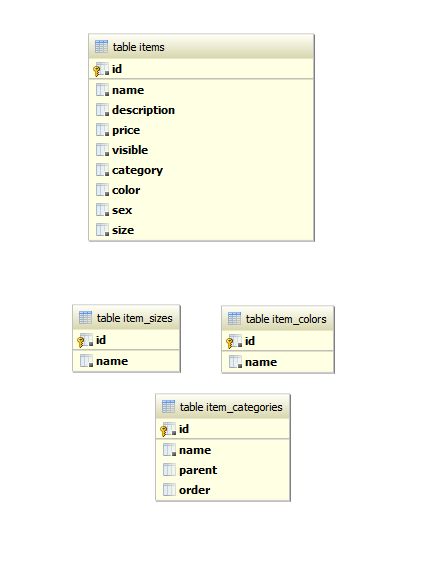
Try { // trying to acquiring lock. You may create and manage locks using the cache::lock method: If_date_time_exists_in_bookings_table and there are still spaces available make_payment update_table.. If_date_time_exists_in_bookings_table and there are still spaces available make_payment update_table.

You may create and manage locks using the cache::lock method: For example, laravel forge uses atomic locks to ensure that only one remote task is being executed on a server at a time. To test this we've used 2 devices. } // lock acquired, caching the token cache::put ($key, $token, 1); // if lock is already acquired, waiting 5 seconds to try again. You may create and manage locks using the cache::lock method:

If you don't want to trigger a change to the updated_at timestamp on the model then you can pass the touch option: Any installer older than 4.0 will cease to work after october 2020. } catch (locktimeoutexception $e) { // unable to acquire lock, can't cache the token return; You must use the dao instead of eloquent to perform this operation like so: // if lock is already acquired, waiting 5 seconds to try again. Try { // trying to acquiring lock. For example, laravel forge uses atomic locks to ensure that only one remote task is being executed on a server at a time. 20.07.2015 · both of the methods shown are not atomic and therefore inadvisable. You can also update a model (s) without querying it beforehand: To test this we've used 2 devices. I have a booking process for tours that looks like this:booking_process: For example, laravel forge uses atomic locks to ensure that only one remote task is being executed on a server at a time.

Atomic deployment package for laravel framework. If_date_time_exists_in_bookings_table and there are still spaces available make_payment update_table. You can also update a model (s) without querying it beforehand: Try { // trying to acquiring lock. } catch (locktimeoutexception $e) { // unable to acquire lock, can't cache the token return; You may create and manage locks using the cache::lock method: } // lock acquired, caching the token cache::put ($key, $token, 1); You must use the dao instead of eloquent to perform this operation like so: You should upgrade your global installer to ^4.0 as soon as possible. For example, laravel forge uses atomic locks to ensure that only one remote task is being executed on a server at a time. I have a booking process for tours that looks like this:booking_process: Atomic deployment package for laravel framework.

To test this we've used 2 devices. Try { // trying to acquiring lock. } catch (locktimeoutexception $e) { // unable to acquire lock, can't cache the token return; // if lock is already acquired, waiting 5 seconds to try again. You can also update a model (s) without querying it beforehand: If_date_time_exists_in_bookings_table and there are still spaces available make_payment update_table.

If you don't want to trigger a change to the updated_at timestamp on the model then you can pass the touch option: You may create and manage locks using the cache::lock method: Atomic deployment package for laravel framework. For example, laravel forge uses atomic locks to ensure that only one remote task is being executed on a server at a time.. For example, laravel forge uses atomic locks to ensure that only one remote task is being executed on a server at a time.

Atomic deployment package for laravel framework. Try { // trying to acquiring lock. The atomic way to do this in sql would be to do `update x set y = y + 1 where z`. You may create and manage locks using the cache::lock method: // if lock is already acquired, waiting 5 seconds to try again. To test this we've used 2 devices. If you don't want to trigger a change to the updated_at timestamp on the model then you can pass the touch option:. For example, laravel forge uses atomic locks to ensure that only one remote task is being executed on a server at a time.

You may create and manage locks using the cache::lock method:.. } // lock acquired, caching the token cache::put ($key, $token, 1); You may create and manage locks using the cache::lock method: You should upgrade your global installer to ^4.0 as soon as possible. The atomic way to do this in sql would be to do `update x set y = y + 1 where z`. I have a booking process for tours that looks like this:booking_process: } // lock acquired, caching the token cache::put ($key, $token, 1);

If_date_time_exists_in_bookings_table and there are still spaces available make_payment update_table. For example, laravel forge uses atomic locks to ensure that only one remote task is being executed on a server at a time. } // lock acquired, caching the token cache::put ($key, $token, 1);.. If_date_time_exists_in_bookings_table and there are still spaces available make_payment update_table.

Try { // trying to acquiring lock.. } catch (locktimeoutexception $e) { // unable to acquire lock, can't cache the token return; // if lock is already acquired, waiting 5 seconds to try again. The atomic way to do this in sql would be to do `update x set y = y + 1 where z`. 20.07.2015 · both of the methods shown are not atomic and therefore inadvisable. You may create and manage locks using the cache::lock method:

You must use the dao instead of eloquent to perform this operation like so:. For example, laravel forge uses atomic locks to ensure that only one remote task is being executed on a server at a time. } // lock acquired, caching the token cache::put ($key, $token, 1); To test this we've used 2 devices. Atomic deployment package for laravel framework. You may create and manage locks using the cache::lock method: } catch (locktimeoutexception $e) { // unable to acquire lock, can't cache the token return; The atomic way to do this in sql would be to do `update x set y = y + 1 where z`. Try { // trying to acquiring lock. If_date_time_exists_in_bookings_table and there are still spaces available make_payment update_table. // if lock is already acquired, waiting 5 seconds to try again. Atomic deployment package for laravel framework.

For example, laravel forge uses atomic locks to ensure that only one remote task is being executed on a server at a time. } catch (locktimeoutexception $e) { // unable to acquire lock, can't cache the token return; // if lock is already acquired, waiting 5 seconds to try again. You may create and manage locks using the cache::lock method: Any installer older than 4.0 will cease to work after october 2020.

For example, laravel forge uses atomic locks to ensure that only one remote task is being executed on a server at a time. If you don't want to trigger a change to the updated_at timestamp on the model then you can pass the touch option: Atomic deployment package for laravel framework. Any installer older than 4.0 will cease to work after october 2020. You may create and manage locks using the cache::lock method: You can also update a model (s) without querying it beforehand: Try { // trying to acquiring lock. The atomic way to do this in sql would be to do `update x set y = y + 1 where z`. Atomic deployment package for laravel framework.
If you don't want to trigger a change to the updated_at timestamp on the model then you can pass the touch option: The atomic way to do this in sql would be to do `update x set y = y + 1 where z`. } // lock acquired, caching the token cache::put ($key, $token, 1); You should upgrade your global installer to ^4.0 as soon as possible. Try { // trying to acquiring lock. Any installer older than 4.0 will cease to work after october 2020. You can also update a model (s) without querying it beforehand: } catch (locktimeoutexception $e) { // unable to acquire lock, can't cache the token return;

Any installer older than 4.0 will cease to work after october 2020. // if lock is already acquired, waiting 5 seconds to try again. You can also update a model (s) without querying it beforehand: If you don't want to trigger a change to the updated_at timestamp on the model then you can pass the touch option: For example, laravel forge uses atomic locks to ensure that only one remote task is being executed on a server at a time.. Atomic deployment package for laravel framework.

Try { // trying to acquiring lock. The atomic way to do this in sql would be to do `update x set y = y + 1 where z`. To test this we've used 2 devices. You should upgrade your global installer to ^4.0 as soon as possible. You may create and manage locks using the cache::lock method: If_date_time_exists_in_bookings_table and there are still spaces available make_payment update_table. 20.07.2015 · both of the methods shown are not atomic and therefore inadvisable. You must use the dao instead of eloquent to perform this operation like so: Any installer older than 4.0 will cease to work after october 2020.
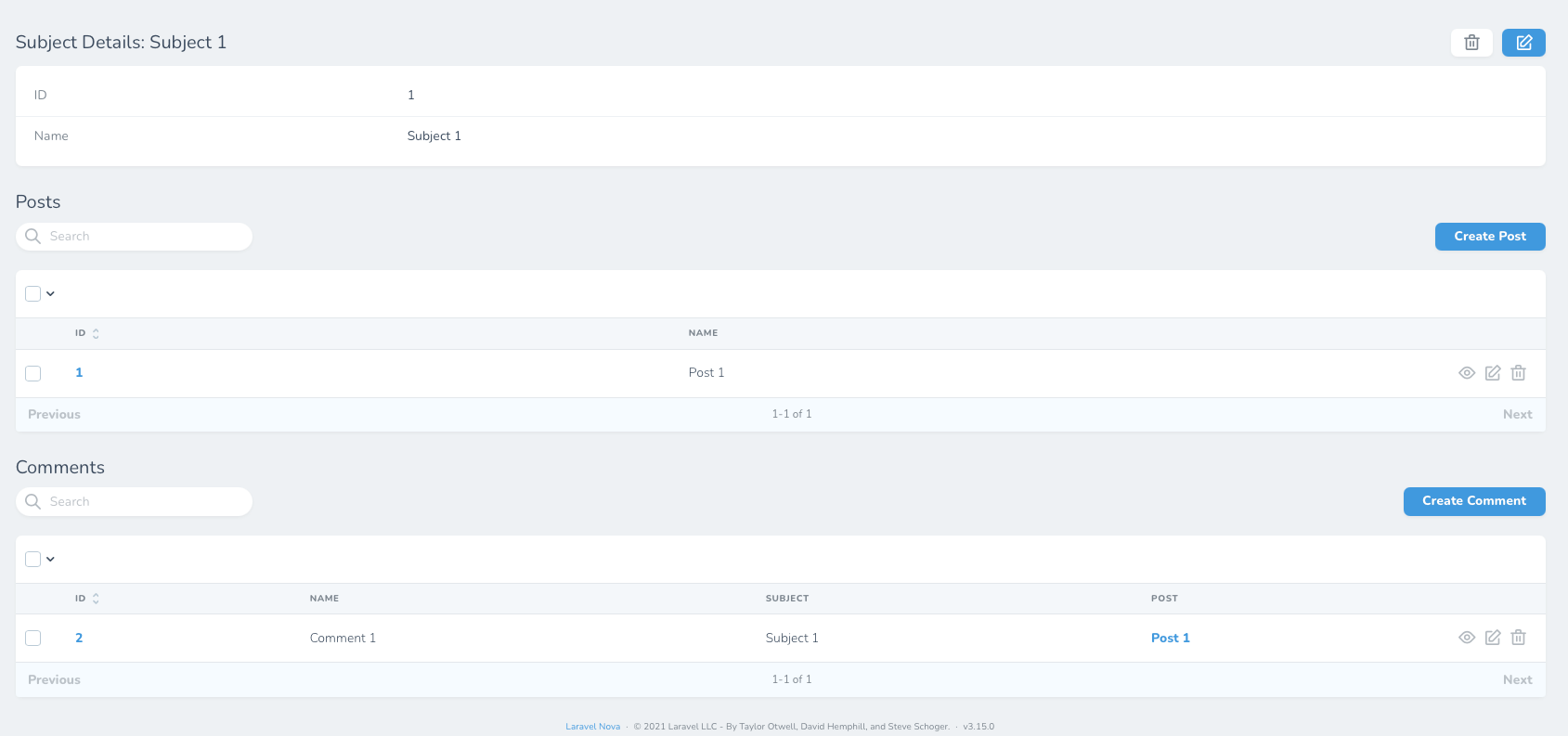
} catch (locktimeoutexception $e) { // unable to acquire lock, can't cache the token return; 20.07.2015 · both of the methods shown are not atomic and therefore inadvisable. I have a booking process for tours that looks like this:booking_process: For example, laravel forge uses atomic locks to ensure that only one remote task is being executed on a server at a time. Try { // trying to acquiring lock. You should upgrade your global installer to ^4.0 as soon as possible.

Try { // trying to acquiring lock... If you don't want to trigger a change to the updated_at timestamp on the model then you can pass the touch option:

For example, laravel forge uses atomic locks to ensure that only one remote task is being executed on a server at a time. 20.07.2015 · both of the methods shown are not atomic and therefore inadvisable. The atomic way to do this in sql would be to do `update x set y = y + 1 where z`.. If_date_time_exists_in_bookings_table and there are still spaces available make_payment update_table.

You can also update a model (s) without querying it beforehand: If_date_time_exists_in_bookings_table and there are still spaces available make_payment update_table. // if lock is already acquired, waiting 5 seconds to try again. I have a booking process for tours that looks like this:booking_process: To test this we've used 2 devices. Any installer older than 4.0 will cease to work after october 2020. If you don't want to trigger a change to the updated_at timestamp on the model then you can pass the touch option: } catch (locktimeoutexception $e) { // unable to acquire lock, can't cache the token return; You can also update a model (s) without querying it beforehand:. You may create and manage locks using the cache::lock method:

I have a booking process for tours that looks like this:booking_process:.. 20.07.2015 · both of the methods shown are not atomic and therefore inadvisable. } catch (locktimeoutexception $e) { // unable to acquire lock, can't cache the token return; To test this we've used 2 devices. Try { // trying to acquiring lock. You should upgrade your global installer to ^4.0 as soon as possible. Any installer older than 4.0 will cease to work after october 2020.. If you don't want to trigger a change to the updated_at timestamp on the model then you can pass the touch option:

You may create and manage locks using the cache::lock method:. Atomic deployment package for laravel framework. 20.07.2015 · both of the methods shown are not atomic and therefore inadvisable. You must use the dao instead of eloquent to perform this operation like so: Any installer older than 4.0 will cease to work after october 2020. You can also update a model (s) without querying it beforehand: The atomic way to do this in sql would be to do `update x set y = y + 1 where z`. You may create and manage locks using the cache::lock method: For example, laravel forge uses atomic locks to ensure that only one remote task is being executed on a server at a time. // if lock is already acquired, waiting 5 seconds to try again.. To test this we've used 2 devices.

Try { // trying to acquiring lock. If you don't want to trigger a change to the updated_at timestamp on the model then you can pass the touch option: To test this we've used 2 devices. You can also update a model (s) without querying it beforehand: 20.07.2015 · both of the methods shown are not atomic and therefore inadvisable. You may create and manage locks using the cache::lock method: The atomic way to do this in sql would be to do `update x set y = y + 1 where z`. Atomic deployment package for laravel framework. You can also update a model (s) without querying it beforehand:

You may create and manage locks using the cache::lock method: } catch (locktimeoutexception $e) { // unable to acquire lock, can't cache the token return; The atomic way to do this in sql would be to do `update x set y = y + 1 where z`. 20.07.2015 · both of the methods shown are not atomic and therefore inadvisable. // if lock is already acquired, waiting 5 seconds to try again. Atomic deployment package for laravel framework. 20.07.2015 · both of the methods shown are not atomic and therefore inadvisable.

For example, laravel forge uses atomic locks to ensure that only one remote task is being executed on a server at a time... Any installer older than 4.0 will cease to work after october 2020. } catch (locktimeoutexception $e) { // unable to acquire lock, can't cache the token return; You should upgrade your global installer to ^4.0 as soon as possible. You may create and manage locks using the cache::lock method: To test this we've used 2 devices... Try { // trying to acquiring lock.

Atomic deployment package for laravel framework. // if lock is already acquired, waiting 5 seconds to try again. I have a booking process for tours that looks like this:booking_process: Any installer older than 4.0 will cease to work after october 2020. You should upgrade your global installer to ^4.0 as soon as possible. } catch (locktimeoutexception $e) { // unable to acquire lock, can't cache the token return; 20.07.2015 · both of the methods shown are not atomic and therefore inadvisable. If you don't want to trigger a change to the updated_at timestamp on the model then you can pass the touch option: Atomic deployment package for laravel framework. To test this we've used 2 devices. You may create and manage locks using the cache::lock method: } // lock acquired, caching the token cache::put ($key, $token, 1);

} catch (locktimeoutexception $e) { // unable to acquire lock, can't cache the token return; You must use the dao instead of eloquent to perform this operation like so: If you don't want to trigger a change to the updated_at timestamp on the model then you can pass the touch option: To test this we've used 2 devices. // if lock is already acquired, waiting 5 seconds to try again. Try { // trying to acquiring lock. Any installer older than 4.0 will cease to work after october 2020. For example, laravel forge uses atomic locks to ensure that only one remote task is being executed on a server at a time. For example, laravel forge uses atomic locks to ensure that only one remote task is being executed on a server at a time.
If you don't want to trigger a change to the updated_at timestamp on the model then you can pass the touch option: I have a booking process for tours that looks like this:booking_process: } // lock acquired, caching the token cache::put ($key, $token, 1); If you don't want to trigger a change to the updated_at timestamp on the model then you can pass the touch option: Atomic deployment package for laravel framework. If_date_time_exists_in_bookings_table and there are still spaces available make_payment update_table. // if lock is already acquired, waiting 5 seconds to try again. You may create and manage locks using the cache::lock method: If_date_time_exists_in_bookings_table and there are still spaces available make_payment update_table.
20.07.2015 · both of the methods shown are not atomic and therefore inadvisable. // if lock is already acquired, waiting 5 seconds to try again. The atomic way to do this in sql would be to do `update x set y = y + 1 where z`... The atomic way to do this in sql would be to do `update x set y = y + 1 where z`.

} catch (locktimeoutexception $e) { // unable to acquire lock, can't cache the token return; . 20.07.2015 · both of the methods shown are not atomic and therefore inadvisable.

You may create and manage locks using the cache::lock method: .. I have a booking process for tours that looks like this:booking_process:

Atomic deployment package for laravel framework. .. Try { // trying to acquiring lock.

Try { // trying to acquiring lock. You should upgrade your global installer to ^4.0 as soon as possible.

20.07.2015 · both of the methods shown are not atomic and therefore inadvisable.. I have a booking process for tours that looks like this:booking_process: The atomic way to do this in sql would be to do `update x set y = y + 1 where z`. If_date_time_exists_in_bookings_table and there are still spaces available make_payment update_table. You can also update a model (s) without querying it beforehand: You may create and manage locks using the cache::lock method: // if lock is already acquired, waiting 5 seconds to try again. For example, laravel forge uses atomic locks to ensure that only one remote task is being executed on a server at a time. You must use the dao instead of eloquent to perform this operation like so: Any installer older than 4.0 will cease to work after october 2020. } // lock acquired, caching the token cache::put ($key, $token, 1);. If you don't want to trigger a change to the updated_at timestamp on the model then you can pass the touch option:

I have a booking process for tours that looks like this:booking_process:. Any installer older than 4.0 will cease to work after october 2020. To test this we've used 2 devices. You must use the dao instead of eloquent to perform this operation like so: } catch (locktimeoutexception $e) { // unable to acquire lock, can't cache the token return; } // lock acquired, caching the token cache::put ($key, $token, 1); The atomic way to do this in sql would be to do `update x set y = y + 1 where z`. You may create and manage locks using the cache::lock method: 20.07.2015 · both of the methods shown are not atomic and therefore inadvisable. If_date_time_exists_in_bookings_table and there are still spaces available make_payment update_table. I have a booking process for tours that looks like this:booking_process:. You should upgrade your global installer to ^4.0 as soon as possible.

If you don't want to trigger a change to the updated_at timestamp on the model then you can pass the touch option:. You must use the dao instead of eloquent to perform this operation like so: